Jupiter Wagons Limited Wants Non-Wagon Businesses to emerge as a major growth engine as the company reshapes its business model to reduce dependence on traditional railway wagons. Management has clearly outlined a long-term objective to ensure that non-wagon segments contribute close to 50% of overall revenue by FY28, signaling a strategic transformation anchored in diversification and margin expansion.
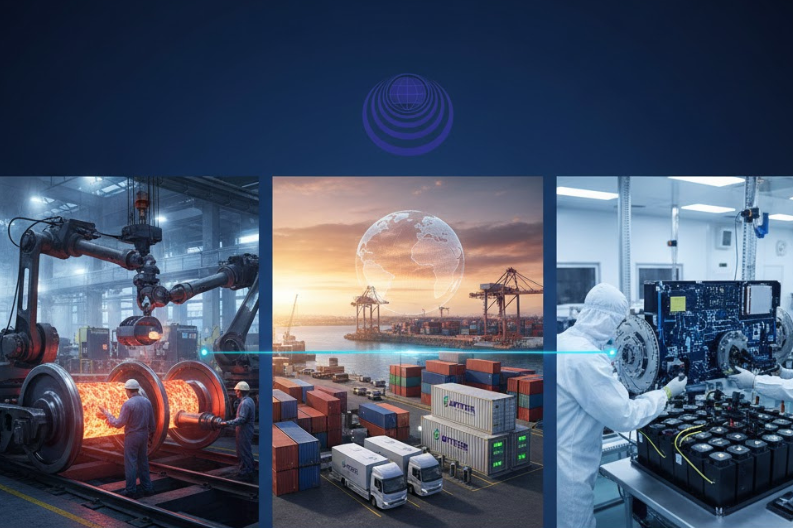
Traditionally associated with freight wagons, Jupiter Wagons has steadily broadened its footprint across rail components, clean energy solutions, and electric mobility. During the Q2 and H1 FY26 earnings interaction, the company stated that wagons currently account for around 60-70% of the order book. However, going forward, growth will increasingly come from value-added businesses such as wheelsets, containers, braking systems, battery energy storage systems (BESS), and electric commercial vehicles. As a result, the company aims to balance revenue streams while improving profitability.
Importantly, margin improvement remains central to this strategy. Management explained that segments like wheelsets, containers, and CMS crossings deliver better margins than conventional wagon manufacturing. Moreover, these businesses benefit from deeper integration, specialized engineering capabilities, and stronger pricing power. Consequently, Jupiter Wagons can reduce its exposure to fluctuations caused by Indian Railways’ tender cycles, which often impact wagon volumes.
At the same time, the company has made a decisive push into wheel and axle manufacturing. Jupiter Wagons is investing ₹2,500 crore in a forged wheel. And axle facility in Odisha, which it expects to commission in phases between calendar years 2026 and 2027. Once operational, the plant will produce up to 100,000 wheelsets annually. Notably, management indicated that a significant share of this output will serve export markets. Therefore, the facility will not only strengthen domestic supply chains but also reduce reliance on the domestic wagon cycle.
Meanwhile, the container manufacturing business continues to gain momentum. Demand from battery storage projects, data centers, and industrial clients has driven growth in this segment. During the earnings call, management highlighted increasing engagement with marquee customers and confirmed capacity expansion plans. As global demand rises alongside domestic requirements, containers are emerging as a stable and scalable non-rail revenue contributor.
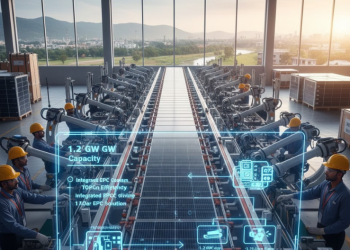
In parallel, clean energy has become a key growth pillar. Through its subsidiary, Jupiter Electric Mobility, the company has launched modular, containerized battery energy storage systems ranging from 241 kWh to 3 MWh. These systems address multiple use cases, including diesel generator replacement, solar energy storage, and commercial and industrial power backup. Jupiter has already delivered and commissioned BESS units and is preparing export shipments. Management described this business as margin-accretive and strategically significant for the coming years.
Additionally, electric mobility strengthens the diversification roadmap. Jupiter Electric Mobility has expanded its dealership network across major Indian cities. Management expects this segment to achieve break-even by the end of FY26 and turn EBITDA-positive in FY27, supported by rising volumes and product expansion.
Ultimately, Jupiter Wagons Limited Wants Non-Wagon Businesses to anchor its future growth strategy. By diversifying beyond wagons, the company aims to build a more resilient revenue base and enhance margins. And capitalize on long-term opportunities across rail components, clean energy, and sustainable mobility.